What Do NRI Advisory Services Actually Cover?
NRI advisory is the umbrella term for the professional help Non-Resident Indians, OCI holders, PIOs, and returning Indians need to manage tax obligations, FEMA compliance, investments, property transactions, estate planning, and financial affairs that cross borders.
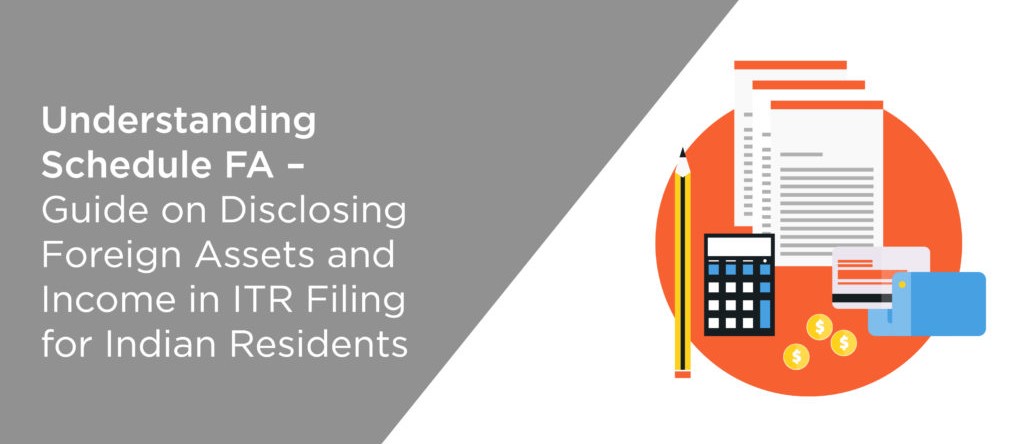
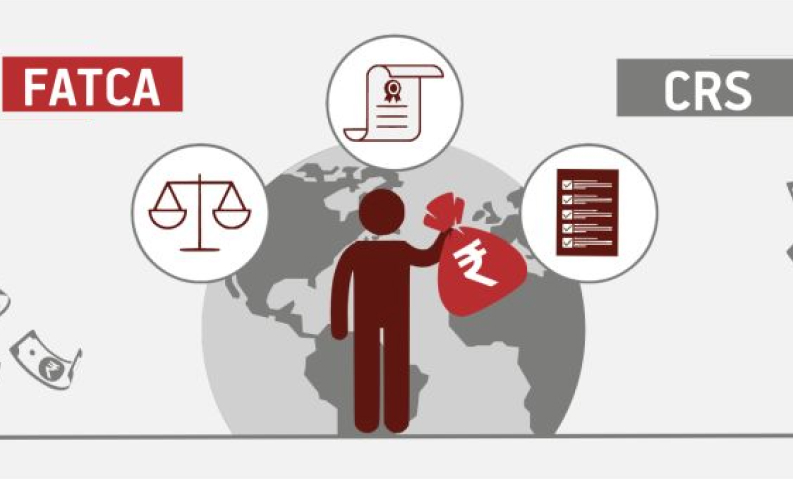
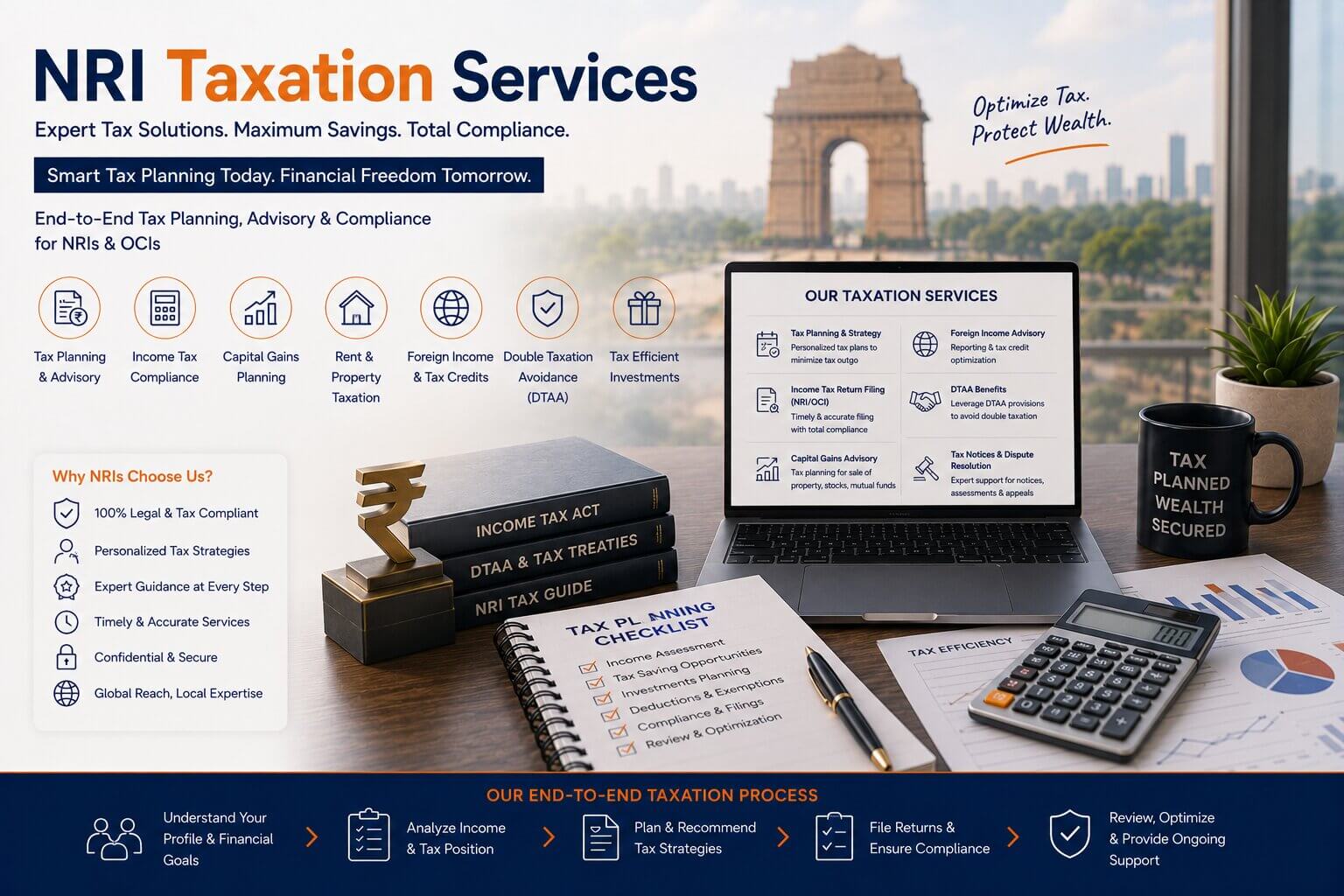
In practice, that means an advisor who can determine your residential status under Indian tax law, use DTAA provisions to bring down your overall tax liability, keep you compliant with FEMA, help repatriate funds properly, and handle the specific cross-border reporting that applies to your situation FBAR, FATCA, Schedule FA, and the rest.
As international taxation and disclosure requirements have gotten more complex over the last decade, this has stopped being a nice-to-have for wealthy NRIs and become genuinely necessary for anyone with meaningful assets, investments, a business, or family financial ties spanning more than one country.
Why This Actually Matters - The Problems We See Constantly?
Managing money across two tax systems creates specific, recurring problems. Here's where professional advisory actually earns its keep.
Double taxation.
NRIs routinely face tax exposure in both their country of residence and India on the same income. Proper DTAA advisory foreign tax credits, treaty benefits, structuring is what actually eliminates or reduces that, rather than just hoping it works out at filing time.
FEMA compliance.
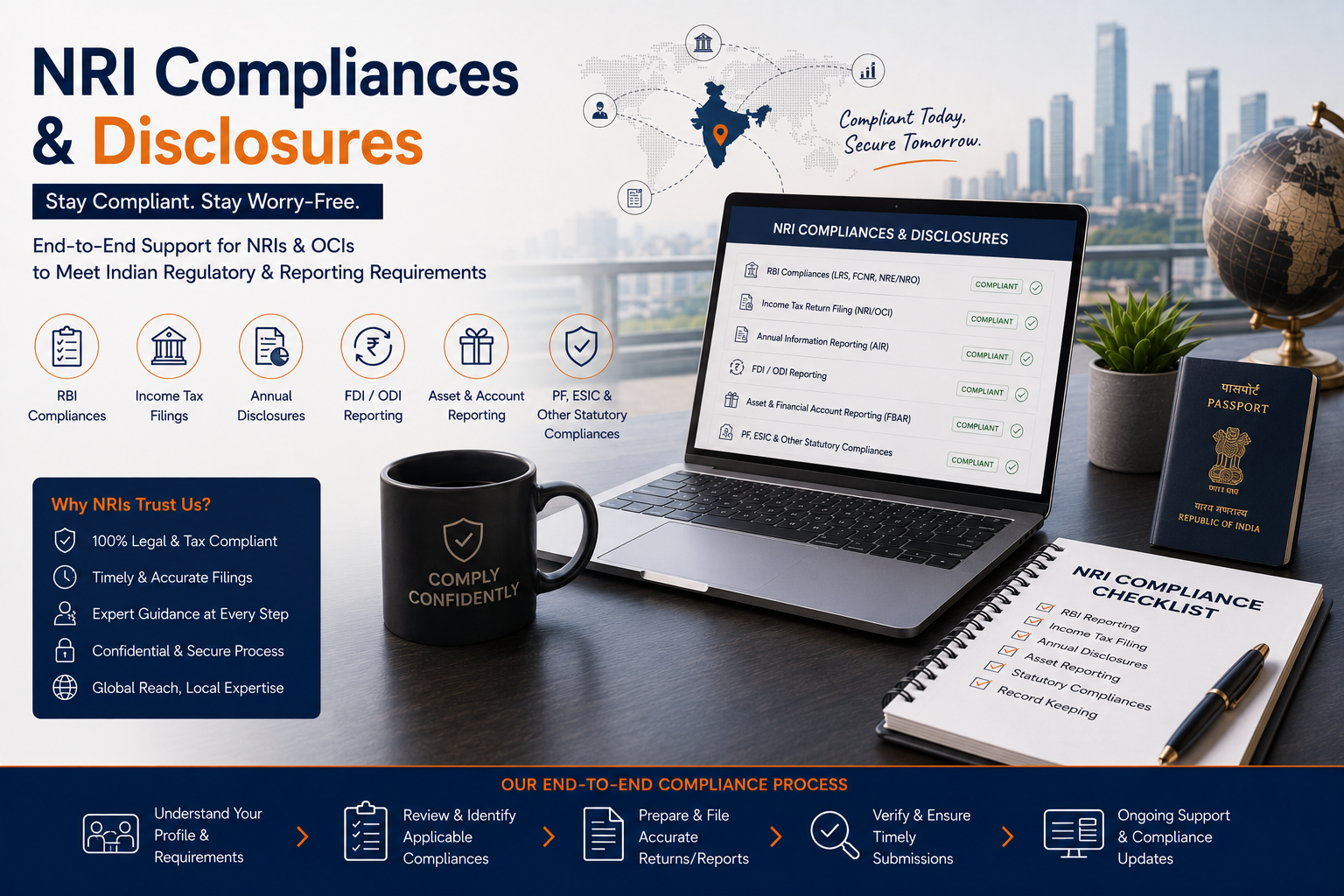
FEMA governs your investments, repatriation, property transactions, and foreign exchange dealings in India, and it runs on rules separate from income tax entirely. Getting this wrong brings penalties and legal complications that are usually far more painful than the transaction itself.
Property transactions.
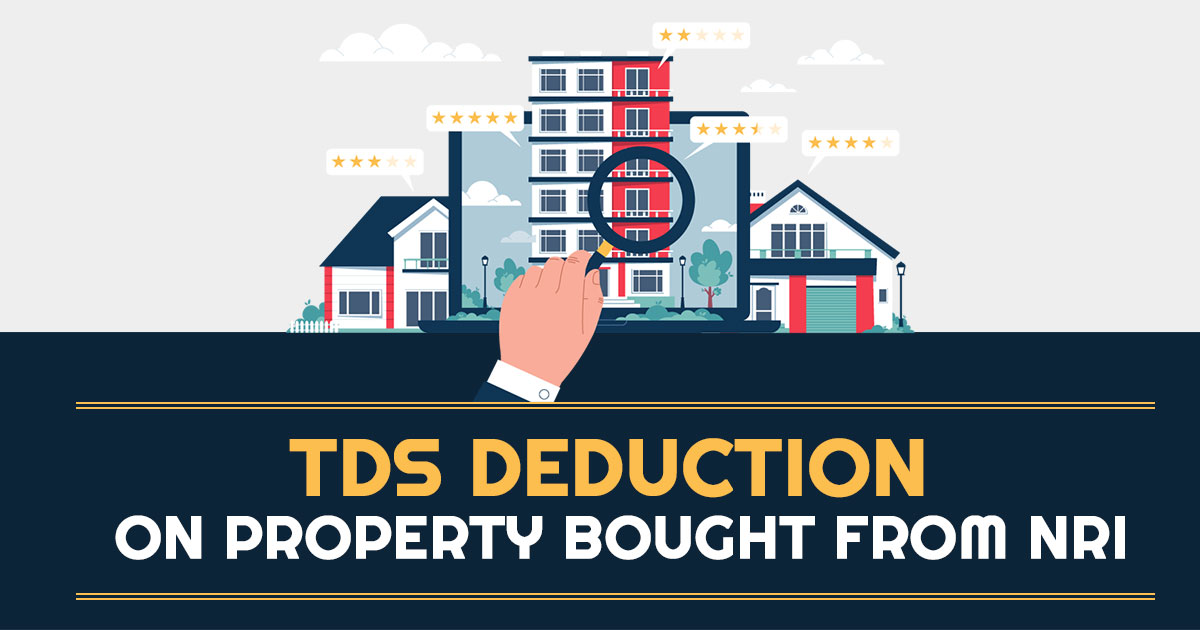
Buying, selling, inheriting, or transferring property in India touches TDS compliance, capital gains tax, FEMA, and repatriation all at once and each of these interacts with the others in ways that aren't obvious until something's already gone sideways.
Residential status.
Getting this right matters more than almost anything else in your Indian tax picture, since it directly determines whether your global income or just your Indian income gets taxed here and it changes from year to year based on your actual travel and residency pattern, not a one-time determination.
Foreign asset reporting.
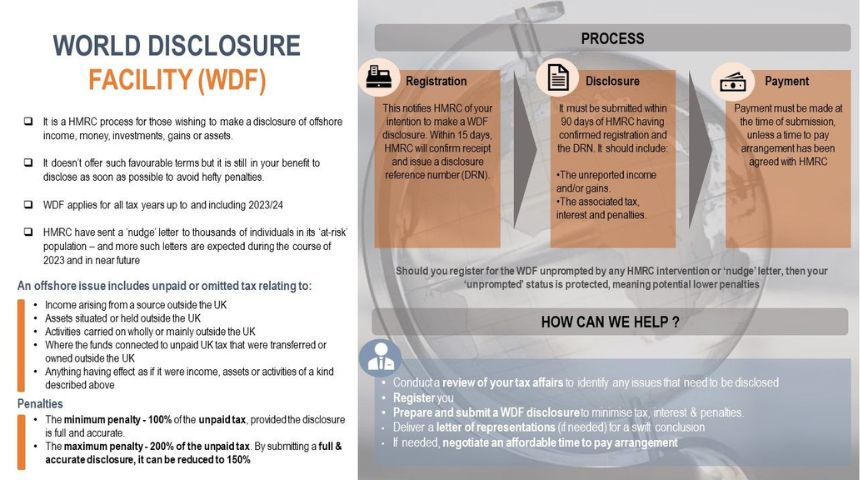
Many countries India included require you to disclose overseas financial interests once you cross certain thresholds. This is exactly the kind of obligation that's easy to miss because nobody tells you it exists until you're already non-compliant.
Repatriating funds.
Moving sale proceeds, investments, inheritances, or accumulated savings out of India needs to work within RBI guidelines get the structure wrong and funds can sit blocked for months over what should have been a routine transfer.
Capital gains planning.
Property sales, securities transactions, and fund redemptions all carry tax consequences that shift significantly depending on timing, structure, and the exemptions you're eligible for planned ahead of the transaction, not worked out afterward.
Handled proactively, these stop being recurring stress points and become fairly routine parts of managing money across two countries.
The Full Range of What We Cover in Our NRI Advisory Services?
Residential status determination, RNOR planning, DTAA planning, FEMA compliance, capital gains tax planning, property purchase and sale advisory, foreign asset compliance, repatriation planning, international tax planning, wealth structuring, estate planning, and regulatory disclosures across income tax, FEMA, RBI, and the international treaty network, treated as one connected picture rather than separate engagements.
Why NRIs Choose Us?
Twenty-five-plus years of experience, more than 10,500 NRIs assisted globally across 25-plus countries, offices in India, the USA, the UK, and Canada, and a team spanning Chartered Accountants, CPAs, EAs, ACCAs, and legal professionals genuinely specialized in NRI taxation and FEMA rather than generalists handling NRI work as a side practice. We aim for a personalized, client-centric approach with end-to-end compliance support, backed by a track record on the kind of complex, multi-jurisdictional matters that don't fit neatly into a single country's tax code.
How We Work With You?
Step 1 Initial consultation.
We start by understanding your residency, assets, investments, and what you're actually trying to accomplish.
Step 2 Document review.
A detailed look at your financial and legal documentation to establish exactly where you stand.
Step 3 Tax and FEMA assessment.
Evaluating what's actually required of you and where the real planning opportunities sit.
Step 4 Strategy preparation.
Building a tax and financial approach around your specific circumstances rather than a generic checklist.
Step 5 Implementation.
Putting the recommendations into action filings, structuring, registrations, whatever the strategy calls for.
Step 6 Ongoing compliance support.
Continued support as regulations shift and your situation evolves, so you're not starting from zero each year.
Recent Work Case Studies
A California-based NRI selling property in India we secured a Lower TDS Certificate, optimized the capital gains position, and got the sale proceeds repatriated cleanly.
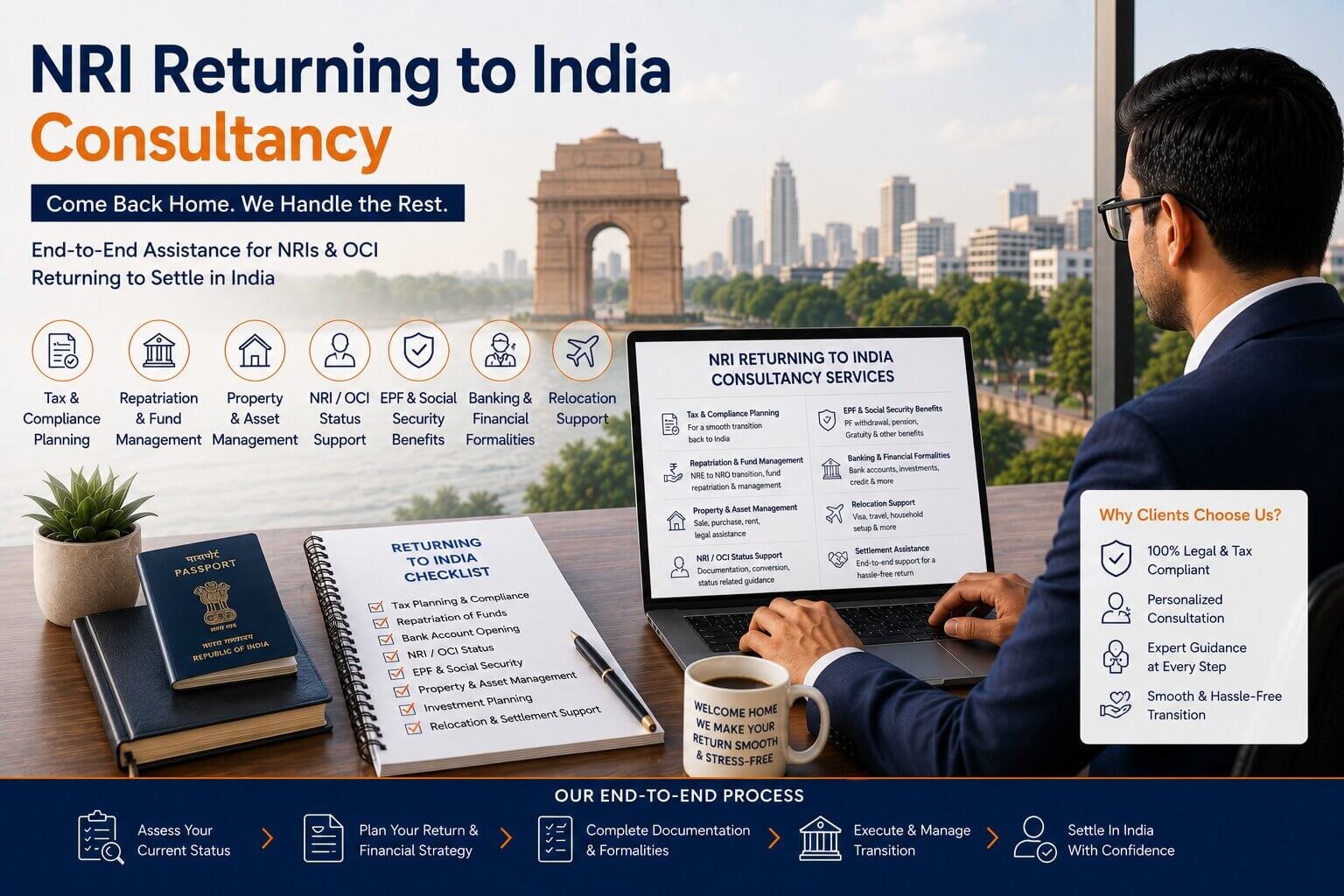
A UK-based family planning their return to India we structured their investments ahead of relocation to make the most of RNOR eligibility and minimize their tax exposure once they landed.
A Halifax-based NRI navigating India-Canada DTAA we worked through the treaty provisions to meaningfully cut down double taxation and improve their overall tax efficiency


.webp)



 (1).jpg)
















_standard.png)